

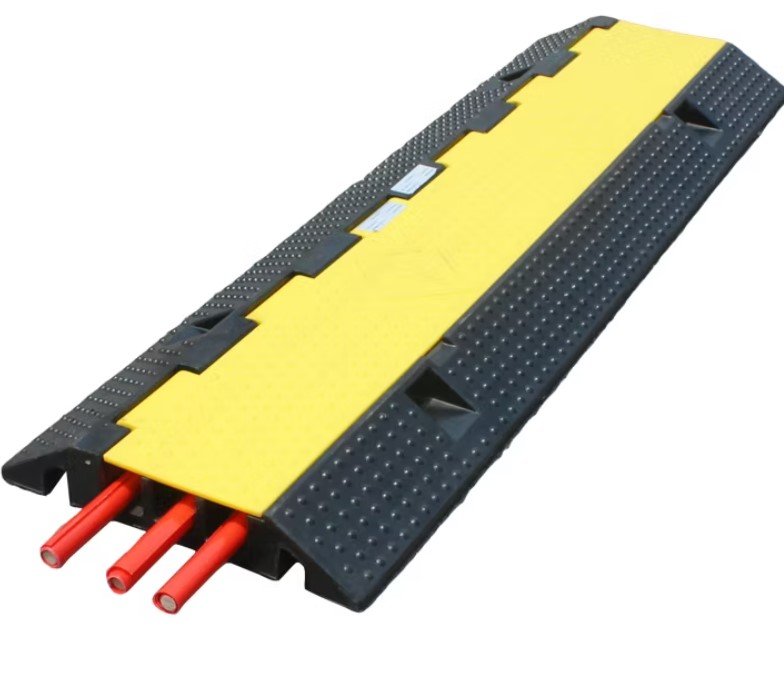
A tangled mess of exposed wires can quickly turn from a minor inconvenience into a serious safety risk. Whether at home, in the office, or on a construction site, cables are constantly exposed to foot traffic, moisture, and wear. Investing in high-quality Cable protectors is one of the smartest ways to extend the life of your wiring while ensuring safety and organization. This guide explores the best options available and how they can effectively prevent damage and hazards.
Why Cable Protectors Are Essential
Loose or unprotected cables are more vulnerable than most people realize. Over time, repeated pressure, bending, and environmental exposure can lead to fraying, cracking, or even electrical failure.
Using Cable protectors offers several key benefits:
- Prevents Physical Damage: Shields cables from crushing, abrasion, and accidental cuts
- Enhances Safety: Reduces the risk of tripping hazards and electrical accidents
- Improves Organization: Keeps wires neatly arranged and easy to manage
- Extends Lifespan: Minimizes wear and tear, saving money on replacements
Whether you’re managing a small home setup or a large industrial workspace, proper cable protection is a must.
Types of Cable Protectors
Understanding the different types of Cable protectors can help you choose the right one for your needs.
1. Floor Cable Covers
These are ideal for high-traffic areas such as offices, event venues, and workshops. They are typically made of durable rubber or polyurethane and can withstand heavy loads.
Best for: Walkways, offices, and public spaces
2. Cable Sleeves
Cable sleeves wrap around wires to protect them from dust, moisture, and minor impacts. They are flexible and easy to install.
Best for: Home entertainment systems and computer setups
3. Cable Trays
Cable trays are often used in commercial or industrial settings to support large bundles of wires overhead or along walls.
Best for: Data centers and industrial environments
4. Cord Protectors with Channels
These feature multiple channels to separate and organize different cables, preventing tangling and interference.
Best for: Multi-device setups
Top-Rated Cable Protectors in the Market
Choosing top-rated Cable protectors ensures durability, safety, and long-term performance. Here are some standout features to look for:
Heavy-Duty Rubber Protectors
Designed for extreme conditions, these protectors can handle vehicles, machinery, and heavy foot traffic. They often come with anti-slip surfaces for added safety.
Flexible PVC Covers
Lightweight and easy to install, PVC protectors are perfect for indoor use. They blend well with flooring and are often available in different colors.
Modular Cable Protectors
These systems allow you to connect multiple sections to cover longer distances. They are highly versatile and scalable.
Waterproof Cable Protectors
Ideal for outdoor use, these protectors keep cables safe from rain, humidity, and temperature changes.
Key Features to Consider
When selecting Cable protectors, it’s important to evaluate certain features to ensure you’re making the right choice.
Durability
Look for materials like rubber, polyurethane, or heavy-duty plastic that can withstand wear and tear.
Load Capacity
If the protector will be used in areas with vehicles or heavy equipment, ensure it can handle the weight.
Ease of Installation
Some protectors come with snap-open designs or adhesive backing for quick installation.
Safety Features
Anti-slip surfaces, bright colors, and warning labels can help prevent accidents.
Applications of Cable Protectors
The versatility of Cable protectors makes them suitable for a wide range of environments.
Home Use
From TV cables to charging cords, protectors keep your living space tidy and safe.
Offices
Prevent tripping hazards and maintain a professional appearance by organizing cables under desks and along walkways.
Industrial Settings
Heavy-duty protectors are essential for safeguarding cables in factories and construction sites.
Events and Outdoor Use
Temporary setups like concerts and exhibitions benefit from portable cable protection solutions.
Tips for Maintaining Cable Protectors
To get the most out of your Cable protectors, regular maintenance is essential.
- Inspect Regularly: Check for signs of wear or damage
- Clean Frequently: Remove dust and debris to maintain performance
- Replace When Needed: Worn-out protectors can compromise safety
- Secure Properly: Ensure they are firmly in place to avoid shifting
Common Mistakes to Avoid
Even the best Cable protectors won’t be effective if used incorrectly. Here are some common mistakes:
- Choosing the wrong type for your environment
- Overloading the protector beyond its capacity
- Ignoring regular maintenance
- Improper installation
Avoiding these mistakes can significantly improve the effectiveness of your cable protection system.
Future Trends in Cable Protection
The demand for smarter and more efficient Cable protectors is growing. Innovations include:
- Smart Cable Management Systems: Integrated with sensors to detect damage
- Eco-Friendly Materials: Sustainable options for environmentally conscious users
- Customizable Designs: Tailored solutions for specific industries
These advancements are making cable protection more efficient and adaptable than ever before.
Conclusion
Protecting your cables is not just about organization—it’s about safety, efficiency, and long-term savings. High-quality Cable protectors play a crucial role in preventing wire damage and reducing hazards in any environment. By choosing the right type, considering essential features, and maintaining them properly, you can ensure your cables remain secure and functional for years to come.
Whether you’re upgrading your home setup or managing a complex industrial system, investing in reliable Cable protectors is a decision that pays off in both safety and performance.
